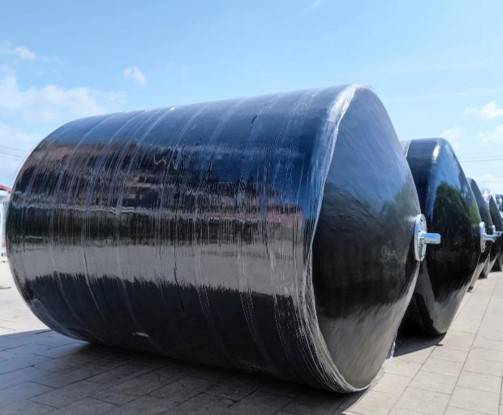
Marine Fender Systems

Home » Products » Marine Fender Systems

Marine Fender Systems

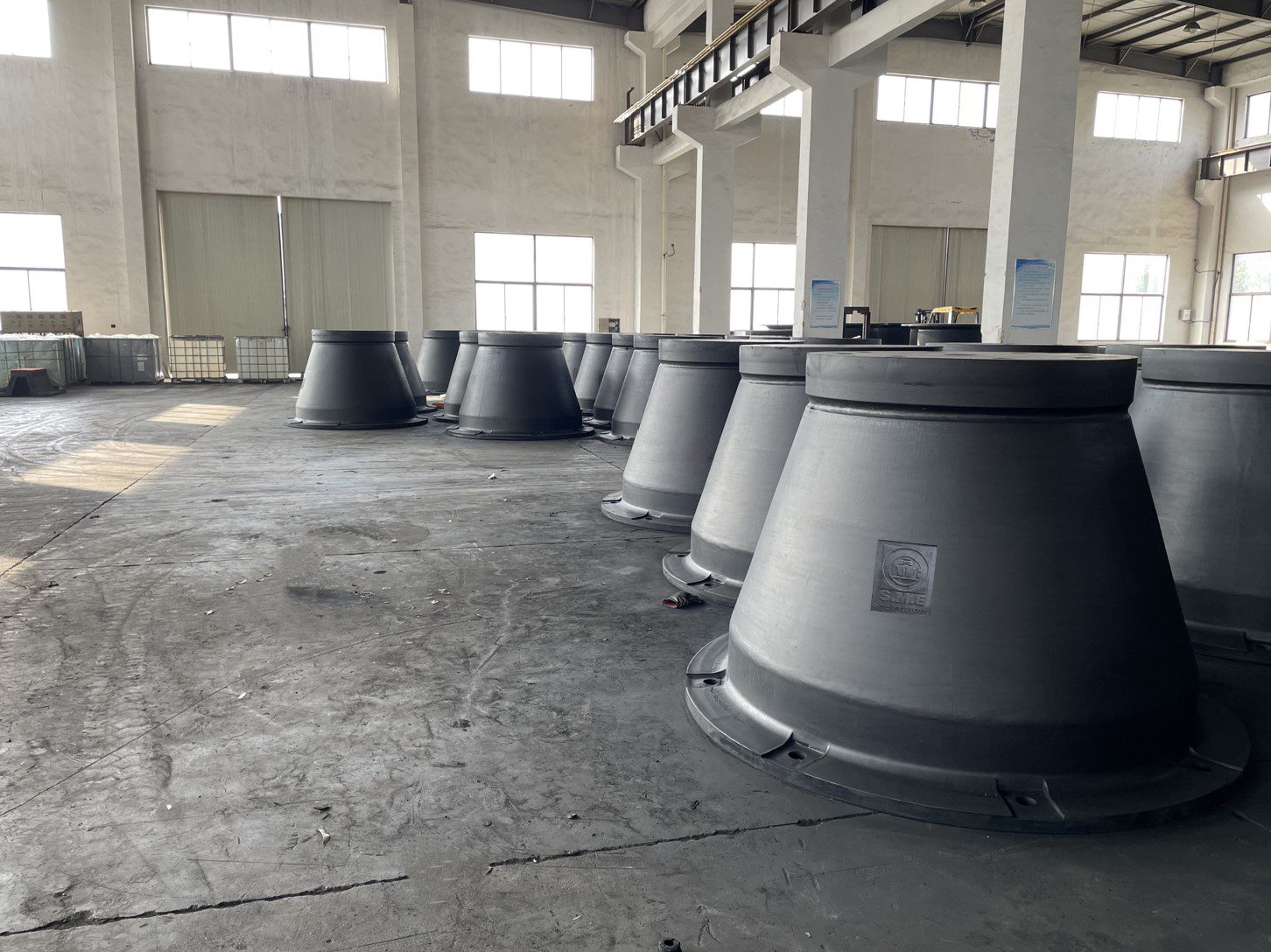
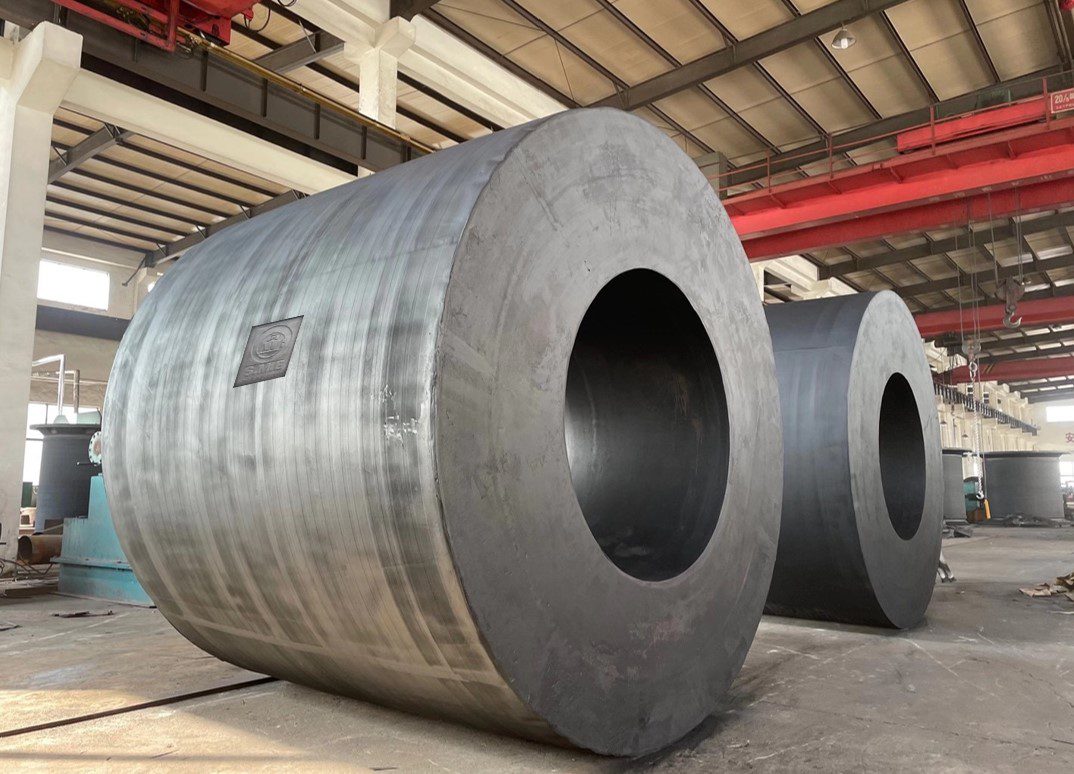
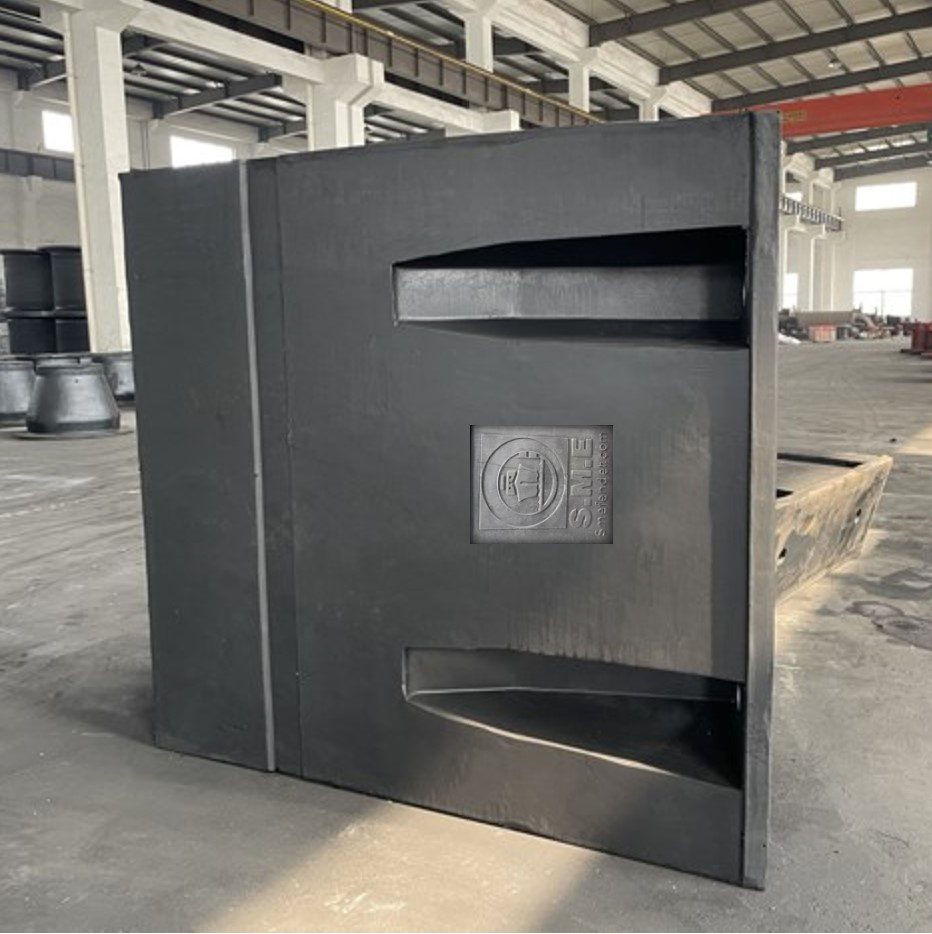
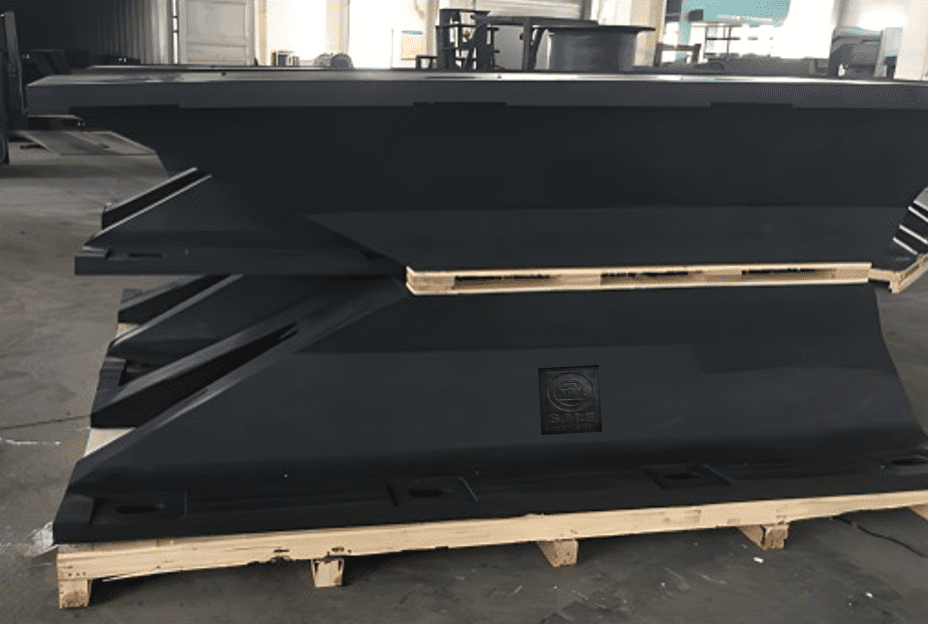
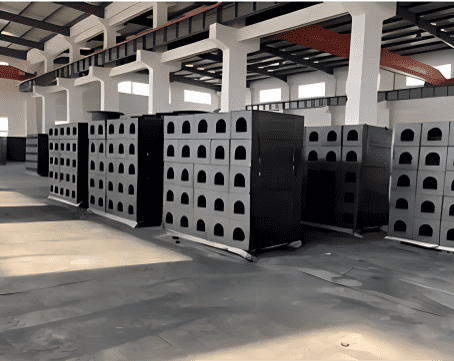
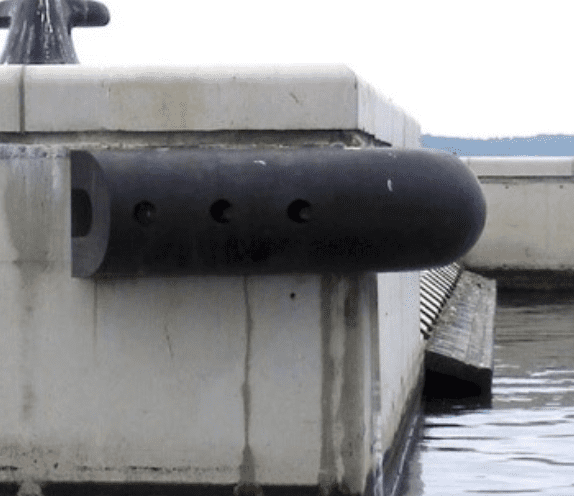
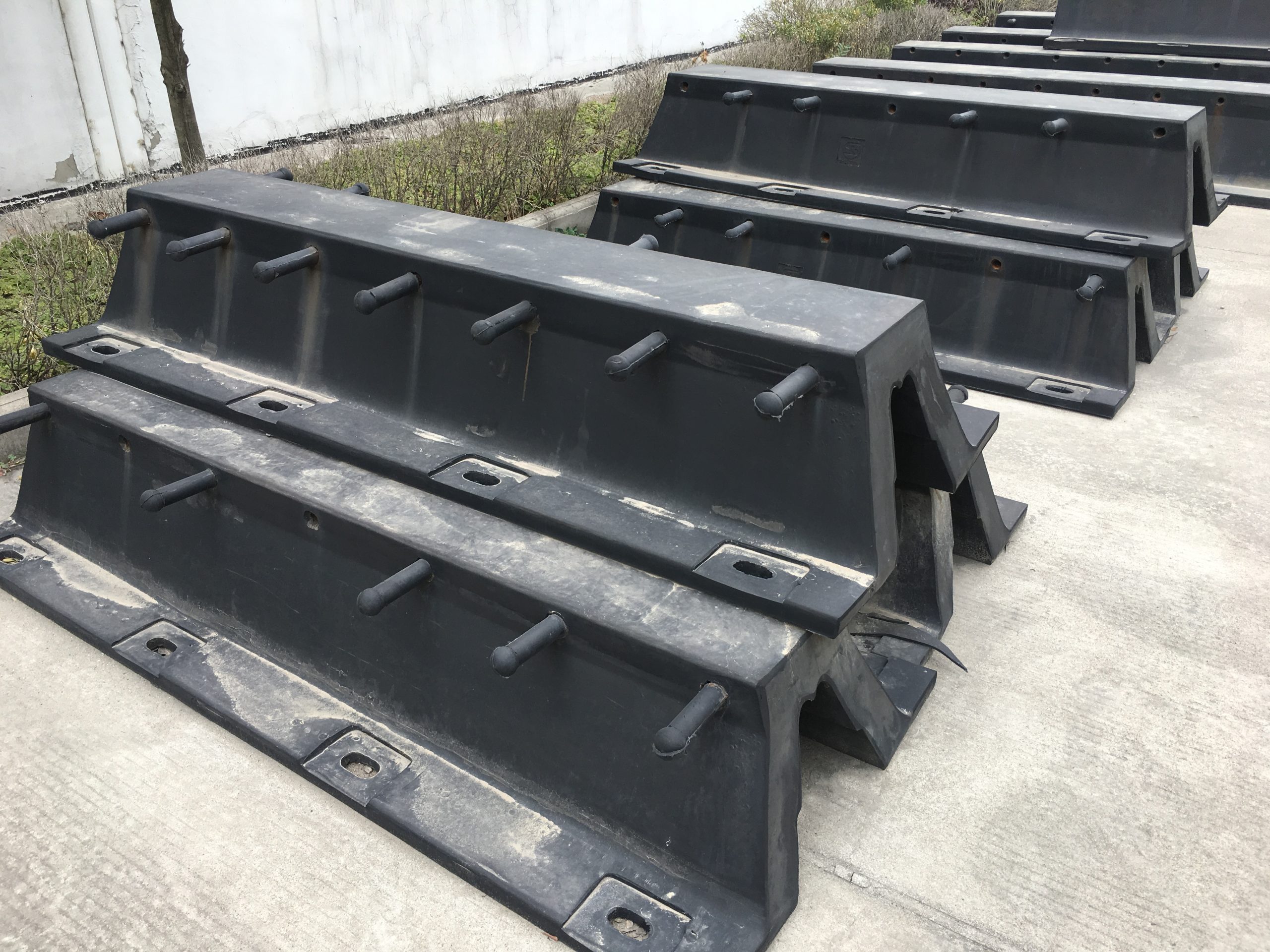
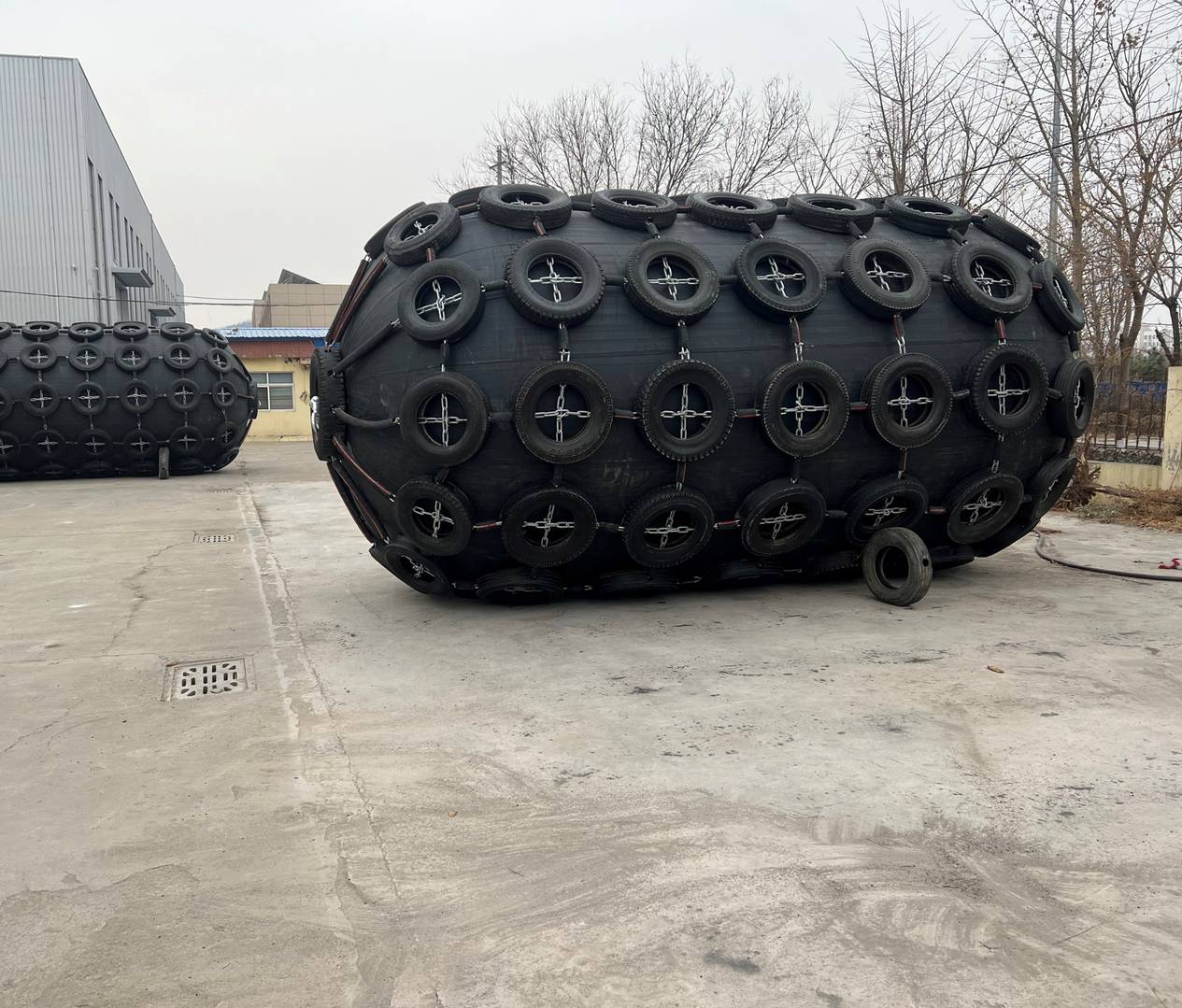
SME Marine designs and manufactures marine fenders for ports, terminals, shipyards and offshore facilities. Our product range includes fixed rubber fenders and floating fenders to suit different berthing conditions, vessel requirements and project specifications.
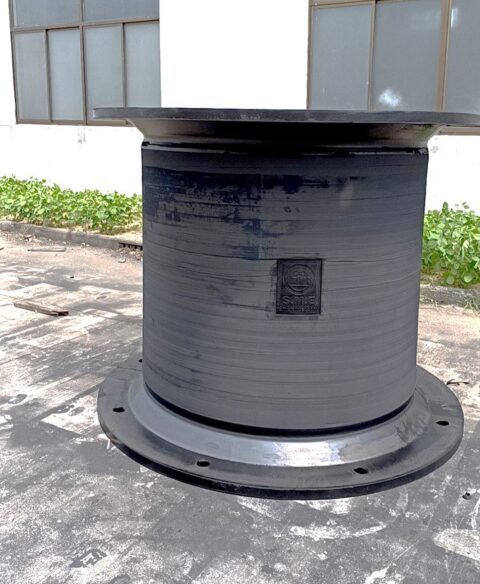

Fender Solutions for Different Berthing Conditions

SME Marine manufactures marine fender systems to suit different vessel sizes, berthing conditions and project requirements. Fender selection can be based on energy absorption, reaction force, installation arrangement and project specifications.

Technical Design

Manufacturing

Quality Inspection


Need Help Selecting a Marine Fender System?

Share your vessel details, berthing conditions or technical specifications with our team.

Related Marine Resources

Explore SME Marine's manufacturing capabilities, technical selection guidance and other marine equipment solutions.

Marine Fender Manufacturer in China

Learn about SME Marine's marine fender manufacturing capabilities, production processes and project supply experience.

Learn More About Our Manufacturing →

How to Choose a Marine Fender System

Understand the key factors in marine fender selection, including vessel requirements, berthing conditions, energy absorption and reaction force.

Read Our Marine Fender Selection Guide →

Mooring Bollards

Explore mooring bollard types for ports, terminals and other marine facilities, including different designs and configurations.

Explore Mooring Bollards →
FAQ

What Are Marine Fenders?

What Types of Marine Fenders Are Available?

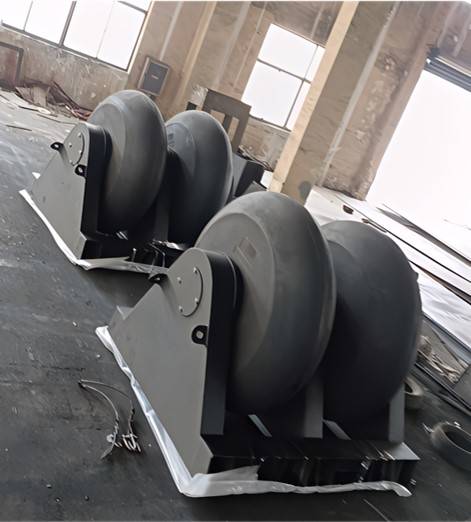
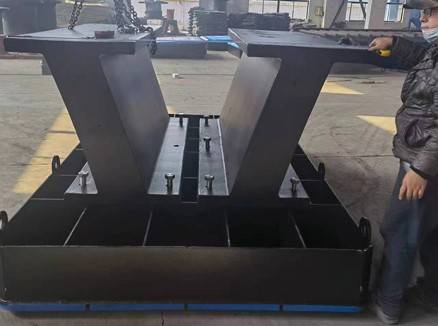
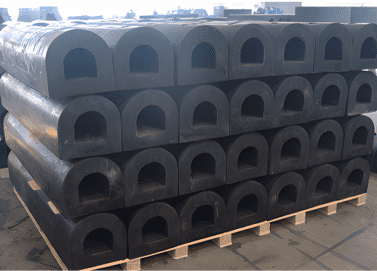
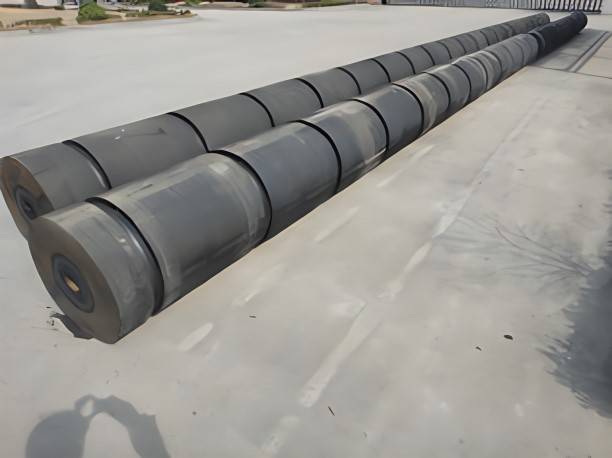
Common types include cell fenders, cone fenders, super arch fenders, D rubber fenders, cylindrical rubber fenders, leg fenders, roller fenders, HPi fenders, pneumatic rubber fenders, and foam-filled fenders. Each type offers different energy absorption and reaction force characteristics. The right choice depends on vessel size, berthing conditions, installation space, and project requirements.

How Do Marine Fenders Work?

Marine fenders absorb impact energy as a vessel approaches a berth or another vessel. Depending on the design, they compress, deform, or displace internal air to reduce impact forces. A properly selected fender system helps protect vessels and supporting structures while keeping reaction forces within specified project limits.

How Do I Choose the Right Marine Fender?

Selection depends on vessel displacement, berthing velocity, berthing angle, required energy absorption, allowable reaction force, installation space, and tidal variation. Engineering calculations and applicable design criteria help determine a suitable fender system. Project drawings and operating conditions are useful for accurate selection.

What Sizes of Marine Fenders Are Available?

Marine fender sizes vary by type and application. Key specifications include diameter, length, height, energy absorption, and reaction force. SME Marine can supply different sizes and configurations based on project drawings and technical requirements. Contact us with your dimensions and project details for a suitable recommendation.

Are Marine Fenders Designed According to PIANC Guidelines?

Marine fender systems can be designed with reference to applicable PIANC guidelines and project specifications. PIANC guidance supports engineering design and selection, but should not be confused with product certification. The applicable criteria and referenced edition should be confirmed for each project.
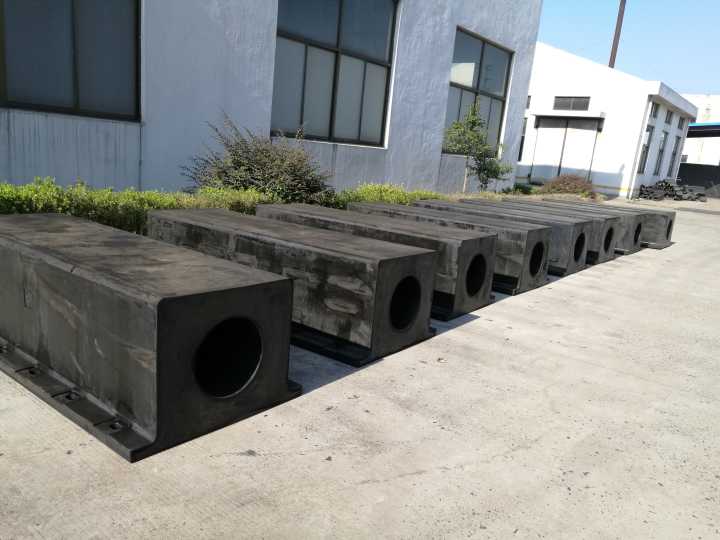
Can SME Marine Supply Customized Fender Systems?

Yes. SME Marine supplies fender systems tailored to project dimensions, energy absorption, reaction force, and installation requirements. Depending on the fender type, configurations may include frontal panels, UHMW-PE facing pads, anchors, chains, and other accessories. Send us your drawings or technical specifications for review and quotation.