Blog

Home Blog Marine Fender Selection Guide
Marine Fender Engineering Guide

How to Choose the Right Marine Fender System: A Manufacturer’s Guide

Practical considerations from vessel berthing conditions to fender performance, structural loads, and installation.

Published: October 4, 2026   |   Author: SME MARINE
Selecting the right marine fender system is essential for protecting vessels, quay structures, and port facilities. The correct solution depends on vessel characteristics, berthing energy, reaction force, available space, and operating conditions. This guide explains the key engineering factors that should be considered before choosing a fender system.
Table of Contents
  1. Understand the Berthing Conditions
  2. Identify Vessel Characteristics
  3. Calculate Berthing Energy
  4. Understand Energy Absorption
  5. Evaluate Reaction Force
  6. Compare Fender Types
  7. Consider Environmental Conditions
  8. Check Structural Requirements
  9. Select Fender Materials
  10. Review Standards and Guidelines
  11. Consider Installation
  12. Plan Inspection and Maintenance
  13. Work with an Experienced Manufacturer
  14. Conclusion

1. Understand the Berthing Conditions

Before selecting a marine fender, engineers should understand the berthing environment. Vessel approach speed, berthing angle, tidal range, water depth, and the layout of the quay all influence the required fender performance.

A system designed for a sheltered commercial port may not be suitable for an exposed terminal with stronger waves and more demanding operating conditions. Therefore, the actual site conditions should be reviewed before the fender arrangement is finalized.

2. Identify Vessel Characteristics

Vessel displacement, dimensions, hull shape, and frequency of calls are important selection factors. Larger vessels generally require careful assessment of berthing energy and contact pressure.

Engineers should also consider the range of vessels using the berth, rather than designing around only one nominal vessel. The smallest and largest vessels may create different requirements for fender spacing, contact height, and performance.

3. Calculate Berthing Energy

Berthing energy represents the kinetic energy that must be absorbed during vessel contact. It is influenced by vessel mass, approach velocity, and relevant correction factors.

The calculation should account for the actual berthing arrangement and operating conditions. An appropriate design margin should be established by the project engineer.

Accurate berthing energy assessment is an important step because underestimating the design energy can result in insufficient protection for the vessel and quay structure.

4. Understand Energy Absorption

Energy absorption describes the capacity of a fender to absorb berthing energy through controlled deformation. A suitable fender should provide sufficient energy absorption without exceeding allowable reaction force or hull pressure.

Performance curves and certified test data should be reviewed when comparing different fender systems. Engineers should also consider the performance factors specified for the operating temperature, compression speed, and installation conditions.

5. Evaluate Reaction Force

Reaction force is the force transferred from the fender to the quay structure and vessel. Excessive reaction force may increase structural loads and create unacceptable contact pressure on the vessel hull.

The selected system should balance energy absorption and reaction force according to the project design requirements. Fender performance should therefore be assessed as a complete system, rather than by energy absorption alone.

6. Compare Different Marine Fender Types

Different fender geometries provide different performance characteristics. Common options include cone, cell, cylindrical, arch, leg, and pneumatic fenders. Each type has its own installation requirements and typical applications.

Cone fenders are often selected for high energy absorption in a compact installation. Cell fenders are widely used in port applications, while cylindrical fenders can suit simpler berthing arrangements.

Arch fenders and leg fenders may also be considered for particular berth layouts. For ship-to-ship operations and applications requiring floating protection, pneumatic fenders are another option.

The final selection should be based on engineering calculations, available installation space, vessel characteristics, and operational requirements.

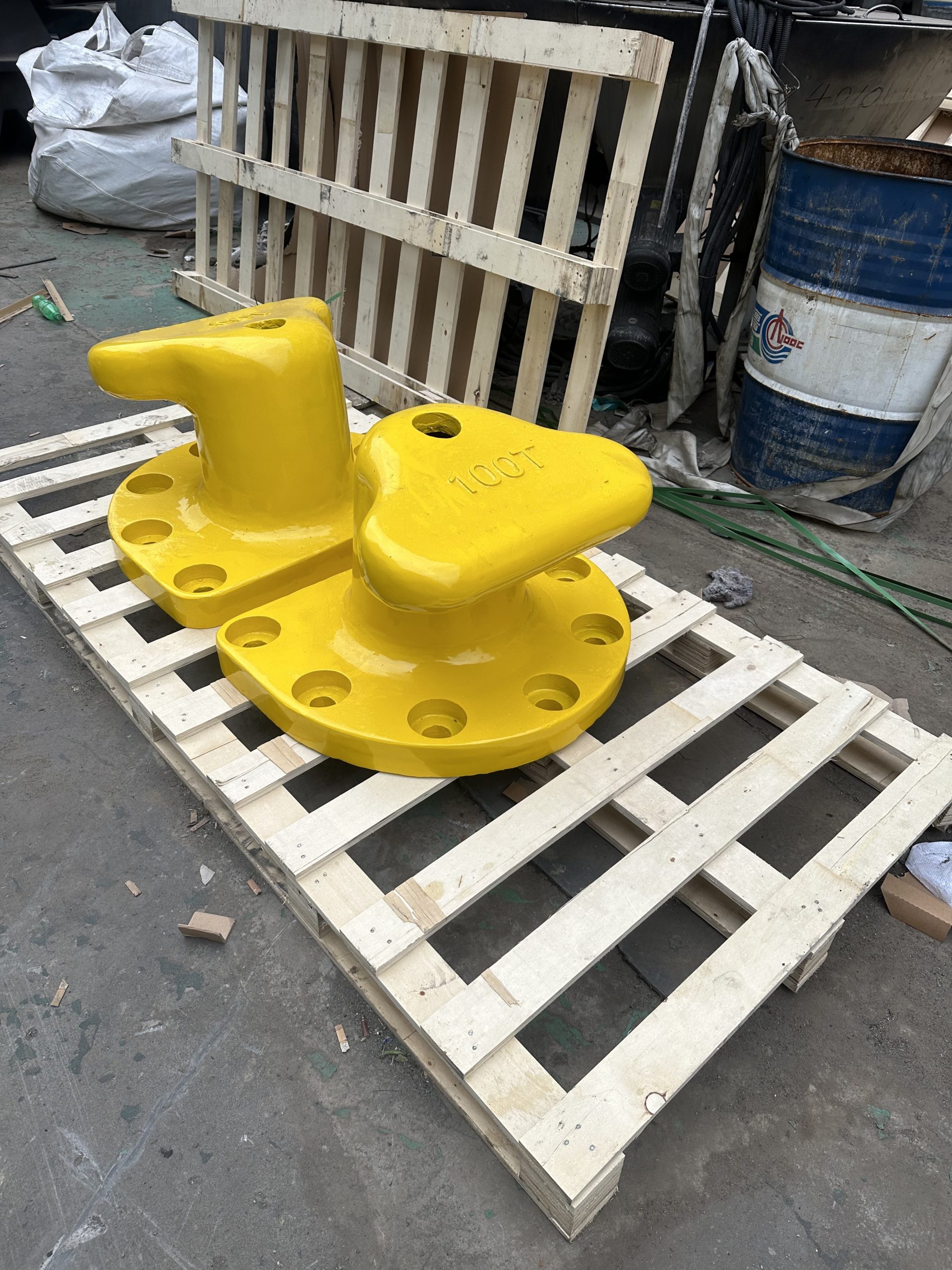
Marine rubber fender system engineering components and installation arrangement
Marine fender systems are selected according to project-specific requirements.

7. Consider Environmental Conditions

Temperature, ultraviolet exposure, seawater, waves, currents, and local climate can affect fender material performance and service life. These factors should be considered during material selection and system design.

For offshore terminals and exposed berths, engineers should also assess the effects of environmental loads and vessel movement. These conditions may influence the type, size, and arrangement of the fender system.

8. Check Structural Requirements

Fender panels, chains, anchors, brackets, and supporting structures must be designed to transfer loads safely. The quay structure must also be checked against the calculated reaction forces and other relevant load combinations.

The design should consider the strength of steel components, connection details, corrosion protection, and the condition of the supporting concrete structure.

Marine fender steel frontal panel and supporting structural components

9. Select Suitable Fender Materials

Rubber compound formulation influences elasticity, durability, ageing resistance, and performance. Material selection should consider the operating environment and required service life.

Steel components also require suitable corrosion protection, fabrication quality, and inspection. The materials used in the complete fender assembly should meet the technical requirements specified for the project.

10. Review Standards and Engineering Guidelines

International standards and industry guidelines provide important references for fender design, testing, and installation. Project engineers should confirm the applicable editions and contractual requirements before finalizing the design.

For current international guidance, refer to the PIANC Fender Guidelines 2024 (WG 211) . This publication supersedes the earlier PIANC WG33 2002 guidance.

For marine structures, engineers can also consult BS 6349-4:2026 , subject to the applicable project scope and edition.

Another reference for waterfront structures is the EAU 2004 Recommendations .

Engineering note: Standards references do not replace project-specific calculations. Always verify the latest applicable edition, design criteria, and client specifications.

11. Consider Installation Requirements

Installation conditions can influence the overall system design. Engineers should review mounting arrangements, anchor positions, access for lifting equipment, and construction tolerances.

A practical installation plan helps reduce site delays and supports safe commissioning. Maintenance access should also be considered when selecting the final mounting arrangement.

12. Plan Inspection and Maintenance

Regular inspection helps identify rubber deterioration, loose connections, corrosion, and damage to steel components. Maintenance requirements should be considered from the beginning of the project.

A suitable inspection plan can help maintain reliable performance throughout the fender system's service life. Inspection frequency should reflect the operating environment, berth usage, and manufacturer's recommendations.

13. Work with an Experienced Marine Fender Manufacturer

An experienced manufacturer can support project evaluation, product selection, engineering documentation, material control, manufacturing, and quality inspection.

Before placing an order, review the manufacturer's technical capabilities, production quality, testing procedures, and experience with comparable marine projects.

Learn more about SME Marine's marine fender manufacturing capabilities in China , including manufacturing engineering, production, and quality inspection.

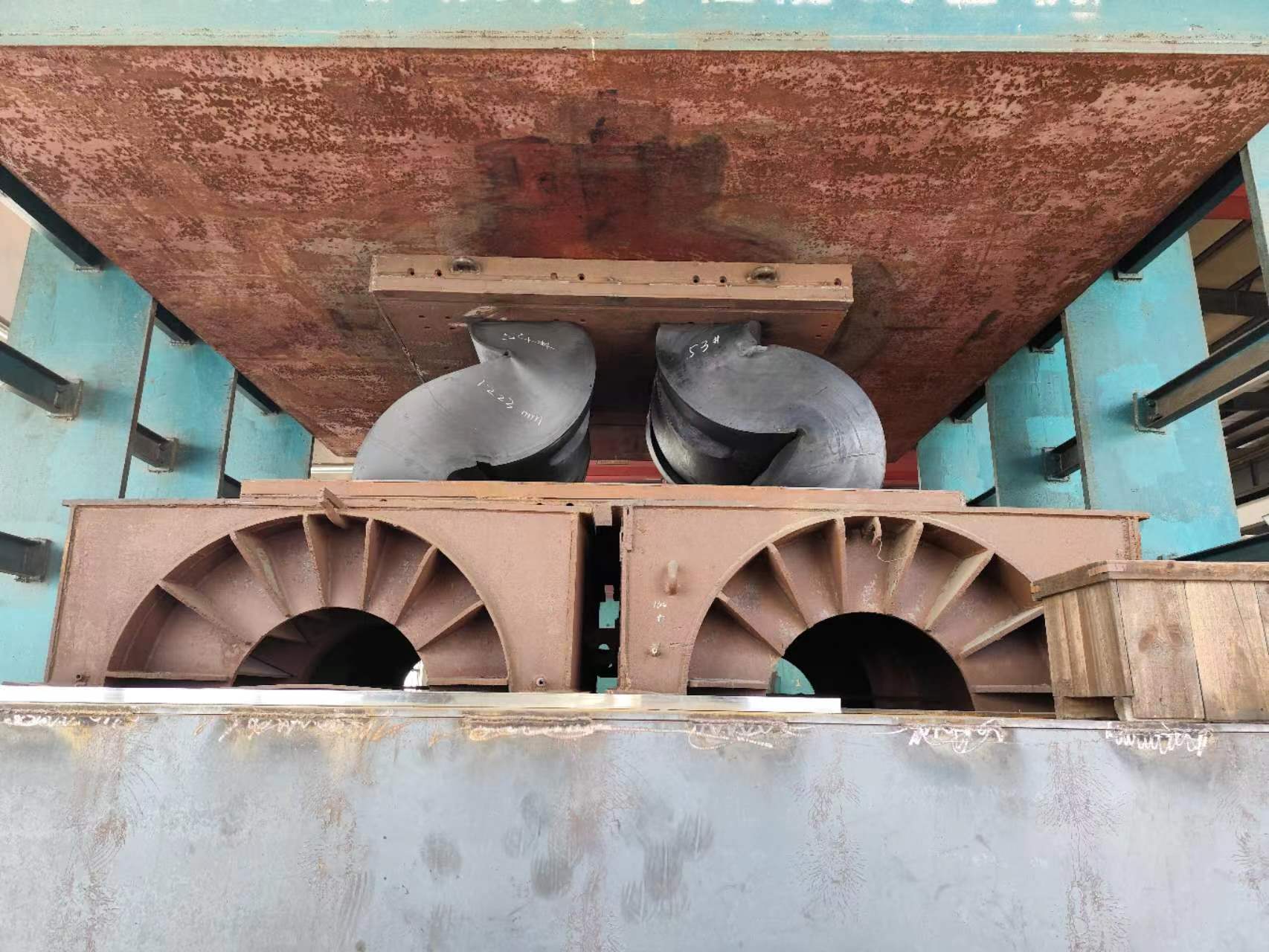
SME Marine marine fender manufacturing and quality inspection process

Conclusion

Choosing the right marine fender system requires more than comparing product dimensions or energy ratings. Vessel characteristics, berthing conditions, reaction force, structural loads, environmental exposure, and installation requirements must all be considered.

A properly engineered system helps protect vessels and port infrastructure while supporting safe and reliable berthing operations. Careful product selection and appropriate technical evaluation are essential for long-term performance.

Need Help Selecting a Marine Fender System?

SME Marine provides marine fender systems and engineering support for port, terminal, and offshore applications. Contact our team to discuss your project requirements.

Request a Quote View Marine Products

How to Choose the Right Marine Fender System: A Manufacturer’s Guide

Home Blog Marine Fender Selection Guide
Marine Fender Engineering Guide

How to Choose the Right Marine Fender System: A Manufacturer’s Guide

Practical considerations from vessel berthing conditions to fender performance, structural loads, and installation.

Published: October 4, 2026   |   Author: SME MARINE
Selecting the right marine fender system is essential for protecting vessels, quay structures, and port facilities. The correct solution depends on vessel characteristics, berthing energy, reaction force, available space, and operating conditions. This guide explains the key engineering factors that should be considered before choosing a fender system.
Table of Contents
  1. Understand the Berthing Conditions
  2. Identify Vessel Characteristics
  3. Calculate Berthing Energy
  4. Understand Energy Absorption
  5. Evaluate Reaction Force
  6. Compare Fender Types
  7. Consider Environmental Conditions
  8. Check Structural Requirements
  9. Select Fender Materials
  10. Review Standards and Guidelines
  11. Consider Installation
  12. Plan Inspection and Maintenance
  13. Work with an Experienced Manufacturer
  14. Conclusion

1. Understand the Berthing Conditions

Before selecting a marine fender, engineers should understand the berthing environment. Vessel approach speed, berthing angle, tidal range, water depth, and the layout of the quay all influence the required fender performance.

A system designed for a sheltered commercial port may not be suitable for an exposed terminal with stronger waves and more demanding operating conditions. Therefore, the actual site conditions should be reviewed before the fender arrangement is finalized.

2. Identify Vessel Characteristics

Vessel displacement, dimensions, hull shape, and frequency of calls are important selection factors. Larger vessels generally require careful assessment of berthing energy and contact pressure.

Engineers should also consider the range of vessels using the berth, rather than designing around only one nominal vessel. The smallest and largest vessels may create different requirements for fender spacing, contact height, and performance.

3. Calculate Berthing Energy

Berthing energy represents the kinetic energy that must be absorbed during vessel contact. It is influenced by vessel mass, approach velocity, and relevant correction factors.

The calculation should account for the actual berthing arrangement and operating conditions. An appropriate design margin should be established by the project engineer.

Accurate berthing energy assessment is an important step because underestimating the design energy can result in insufficient protection for the vessel and quay structure.

4. Understand Energy Absorption

Energy absorption describes the capacity of a fender to absorb berthing energy through controlled deformation. A suitable fender should provide sufficient energy absorption without exceeding allowable reaction force or hull pressure.

Performance curves and certified test data should be reviewed when comparing different fender systems. Engineers should also consider the performance factors specified for the operating temperature, compression speed, and installation conditions.

5. Evaluate Reaction Force

Reaction force is the force transferred from the fender to the quay structure and vessel. Excessive reaction force may increase structural loads and create unacceptable contact pressure on the vessel hull.

The selected system should balance energy absorption and reaction force according to the project design requirements. Fender performance should therefore be assessed as a complete system, rather than by energy absorption alone.

6. Compare Different Marine Fender Types

Different fender geometries provide different performance characteristics. Common options include cone, cell, cylindrical, arch, leg, and pneumatic fenders. Each type has its own installation requirements and typical applications.

Cone fenders are often selected for high energy absorption in a compact installation. Cell fenders are widely used in port applications, while cylindrical fenders can suit simpler berthing arrangements.

Arch fenders and leg fenders may also be considered for particular berth layouts. For ship-to-ship operations and applications requiring floating protection, pneumatic fenders are another option.

The final selection should be based on engineering calculations, available installation space, vessel characteristics, and operational requirements.

Marine rubber fender system engineering components and installation arrangement
Marine fender systems are selected according to project-specific requirements.

7. Consider Environmental Conditions

Temperature, ultraviolet exposure, seawater, waves, currents, and local climate can affect fender material performance and service life. These factors should be considered during material selection and system design.

For offshore terminals and exposed berths, engineers should also assess the effects of environmental loads and vessel movement. These conditions may influence the type, size, and arrangement of the fender system.

8. Check Structural Requirements

Fender panels, chains, anchors, brackets, and supporting structures must be designed to transfer loads safely. The quay structure must also be checked against the calculated reaction forces and other relevant load combinations.

The design should consider the strength of steel components, connection details, corrosion protection, and the condition of the supporting concrete structure.

Marine fender steel frontal panel and supporting structural components

9. Select Suitable Fender Materials

Rubber compound formulation influences elasticity, durability, ageing resistance, and performance. Material selection should consider the operating environment and required service life.

Steel components also require suitable corrosion protection, fabrication quality, and inspection. The materials used in the complete fender assembly should meet the technical requirements specified for the project.

10. Review Standards and Engineering Guidelines

International standards and industry guidelines provide important references for fender design, testing, and installation. Project engineers should confirm the applicable editions and contractual requirements before finalizing the design.

For current international guidance, refer to the PIANC Fender Guidelines 2024 (WG 211) . This publication supersedes the earlier PIANC WG33 2002 guidance.

For marine structures, engineers can also consult BS 6349-4:2026 , subject to the applicable project scope and edition.

Another reference for waterfront structures is the EAU 2004 Recommendations .

Engineering note: Standards references do not replace project-specific calculations. Always verify the latest applicable edition, design criteria, and client specifications.

11. Consider Installation Requirements

Installation conditions can influence the overall system design. Engineers should review mounting arrangements, anchor positions, access for lifting equipment, and construction tolerances.

A practical installation plan helps reduce site delays and supports safe commissioning. Maintenance access should also be considered when selecting the final mounting arrangement.

12. Plan Inspection and Maintenance

Regular inspection helps identify rubber deterioration, loose connections, corrosion, and damage to steel components. Maintenance requirements should be considered from the beginning of the project.

A suitable inspection plan can help maintain reliable performance throughout the fender system's service life. Inspection frequency should reflect the operating environment, berth usage, and manufacturer's recommendations.

13. Work with an Experienced Marine Fender Manufacturer

An experienced manufacturer can support project evaluation, product selection, engineering documentation, material control, manufacturing, and quality inspection.

Before placing an order, review the manufacturer's technical capabilities, production quality, testing procedures, and experience with comparable marine projects.

Learn more about SME Marine's marine fender manufacturing capabilities in China , including manufacturing engineering, production, and quality inspection.

SME Marine marine fender manufacturing and quality inspection process

Conclusion

Choosing the right marine fender system requires more than comparing product dimensions or energy ratings. Vessel characteristics, berthing conditions, reaction force, structural loads, environmental exposure, and installation requirements must all be considered.

A properly engineered system helps protect vessels and port infrastructure while supporting safe and reliable berthing operations. Careful product selection and appropriate technical evaluation are essential for long-term performance.

Need Help Selecting a Marine Fender System?

SME Marine provides marine fender systems and engineering support for port, terminal, and offshore applications. Contact our team to discuss your project requirements.

Request a Quote View Marine Products

Share:

Send Us A Message