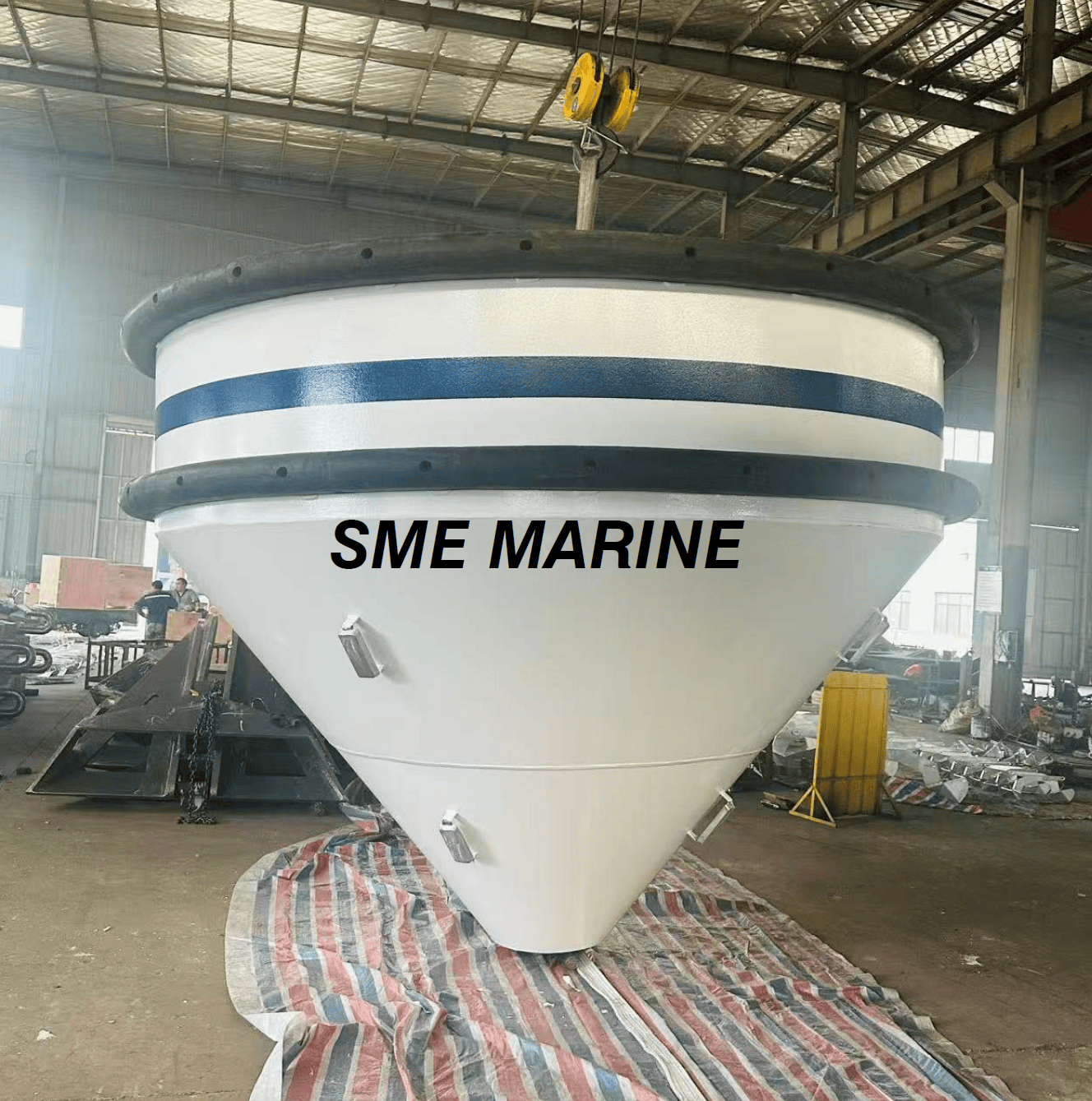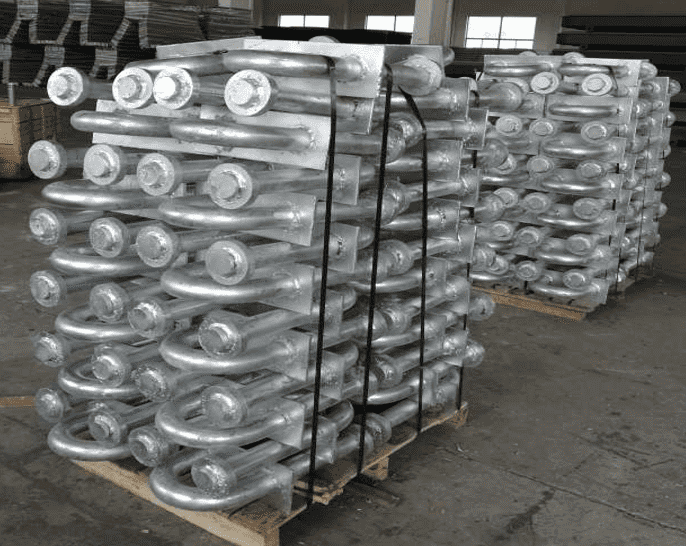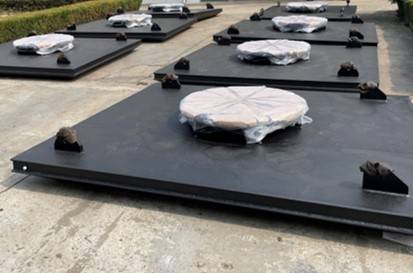

Leg Marine Fenders
SME Marine leg marine fenders absorb berthing energy and help reduce impact loads on vessels and dock structures. Their robust construction and compact profile make them a practical choice for ports, terminals and other marine facilities. In addition, their modular design gives operators more flexibility when planning berth protection.
Available Leg Fender Sizes
SME Marine offers a range of leg marine fender sizes to suit different berth conditions and protection requirements. Furthermore, project teams can select a suitable size according to the available installation space and required performance.
- H300
- H400
- H500
- H550
- H600
- H700
- H800
- H1000
- H1250
- H1450
- H1600
Flexible System Configuration
Leg marine fenders feature a modular structure that helps engineers adapt the system to different quay layouts. Depending on the berth design, teams can combine individual units to achieve the required protection arrangement. This flexibility also helps simplify maintenance and future replacement.

Modular Fender Arrangement
Combine fender units to match berth dimensions and operating requirements. As a result, the system can accommodate a variety of dock configurations.

Horizontal or Vertical Installation
Install leg marine fenders horizontally or vertically according to the site layout. The selected arrangement should provide suitable contact coverage and clearance.
Performance Features of Leg Marine Fenders
A well-planned leg marine fender system combines rubber performance, front panel design and practical installation features. Together, these elements help protect vessels and quay structures during berthing operations.
High Energy Absorption
High-density rubber absorbs berthing energy and helps control impact loads during vessel approach.
Larger Front Panels
Larger contact areas distribute berthing loads across a wider surface, helping protect the vessel's hull.
UHMW-PE Face Pads
UHMW-PE face pads reduce friction between the fender and vessel, while helping limit surface wear during contact.
Lightweight and Compact
The compact structure helps save installation space while providing practical protection for different berth layouts.
Convenient Replacement
The modular arrangement allows maintenance teams to replace individual components more conveniently when necessary.
Flexible Layout
Engineers can arrange the units horizontally or vertically to suit site conditions and project requirements.
Design and Engineering Considerations
Every berth has its own operating conditions. Therefore, engineers should consider vessel size, berthing speed, approach angle, available installation space and the required energy absorption and reaction force when selecting a fender system.
For additional technical reference, ASTM F2192-05 discusses the evaluation of fender systems and related berthing performance considerations. Project teams can consult the ASTM standards store for the relevant standard information and determine its applicability to the project.
SME Marine works with customers to review berth-specific requirements and develop suitable fender configurations for each application.
Applications of Leg Marine Fenders
Leg marine fenders support berthing protection across a range of port and marine environments. For example, their modular structure and compact footprint make them suitable for the following applications:
Container & Bulk Terminals
General Cargo Terminals
RoRo Terminals
Navy Facilities
Barge Berths
Looking for the Right Leg Marine Fender Solution?
Share your berth layout, vessel details and project requirements with SME Marine. Our team can help you review suitable sizes, configurations and installation options for your application.
Contact SME Marine