
How to Choose the Right Marine Fender System: A Manufacturer’s Guide
Home Blog Marine Fender Selection Guide Marine Fender Engineering Guide How to Choose the Right Marine Fender System: A Manufacturer’s Guide Practical considerations from vessel berthing conditions to fender performance, structural loads, and installation. Published: October 4, 2026 | Author: SME MARINE Selecting the right marine fender system is essential for protecting vessels, […]
Mooring Bollard Load Capacity: Material & Design Insights

Mooring Bollard Load Capacity: How Material and Design Affect Performance Mooring bollards are critical components for safe berthing and docking operations in ports, marinas, and offshore facilities. However, choosing the right bollard involves more than appearance. Its material, structural design, and foundation all influence load capacity, durability, and operational safety. Explore our mooring bollard product […]
Mooring Bollard Inspection Guide | How to Ensure Safe Berthing

Mooring Bollard Inspection: Checklist, Frequency and Maintenance Regular mooring bollard inspection is essential for maintaining safe and efficient berthing operations. Even strong bollards can deteriorate over time due to continuous loading, vibration, and exposure to harsh marine environments. Therefore, a structured inspection program helps identify potential problems before they lead to equipment failure. In addition, […]
Marine Fenders in Singapore: Replacement, Ship Repair & Marine Supply

Home / Blog / Marine Fenders in Singapore Marine Fenders in Singapore Reliable Fender Solutions for Ports, Ship Repair and Marine Supply Singapore is one of the world’s major maritime and shipping hubs. Its busy port operations, ship repair activities and international vessel traffic create ongoing demand for dependable marine fender systems and replacement components. […]
Are All Marine Fenders Really 100% Qualified?

Are All Marine Fenders Really 100% Qualified? Understanding the Mechanical Testing Behind Rubber Fendering Systems Many engineers and port operators often ask: Are all rubber marine fenders that leave the factory truly qualified? In practice, it’s rare to hear about fenders being scrapped due to failed testing. In many cases, inspection only includes visual checks […]
Marine Fender Failure: Causes, Risks, and Prevention for Port Safety

Home / Blog / Fender Failure Guide Marine Fender Failure: Causes, Risks, and Prevention for Port Safety During port docking operations, marine fender systems play a vital role in protecting vessels, berthing structures, and port facilities. However, even a well-designed system can fail when material quality, installation, or maintenance falls below the required standard. Such […]
How to install marine fenders safely and efficiently?

IntroductionInstalling rubber fenders correctly is crucial for protecting both vessels and port structures. Proper installation increases safety and performance during berthing and extends the fender’s service life. This guide answers the common question “How to install a rubber fender?” and provides clear, step-by-step instructions for engineers, contractors, and port operators. Part I – Cell […]
Challenges of rubber fendering with a large Front Panel Design

The installation and configuration of Fender Systems often adhere to standardized body dimensions and corresponding front panel sizes. Typically, larger front plates utilize a two-cell-one-panel or three-cell-one-panel configuration, either horizontally or vertically. In contrast, the adoption of a low-reaction-force, high-energy-absorbing single-cell design with an oversized front panel in this project presented significant challenges, therefore requiring […]
SME completed the rapid delivery of dock fender systems and ship bollards for the Jiaozhou Bay project.

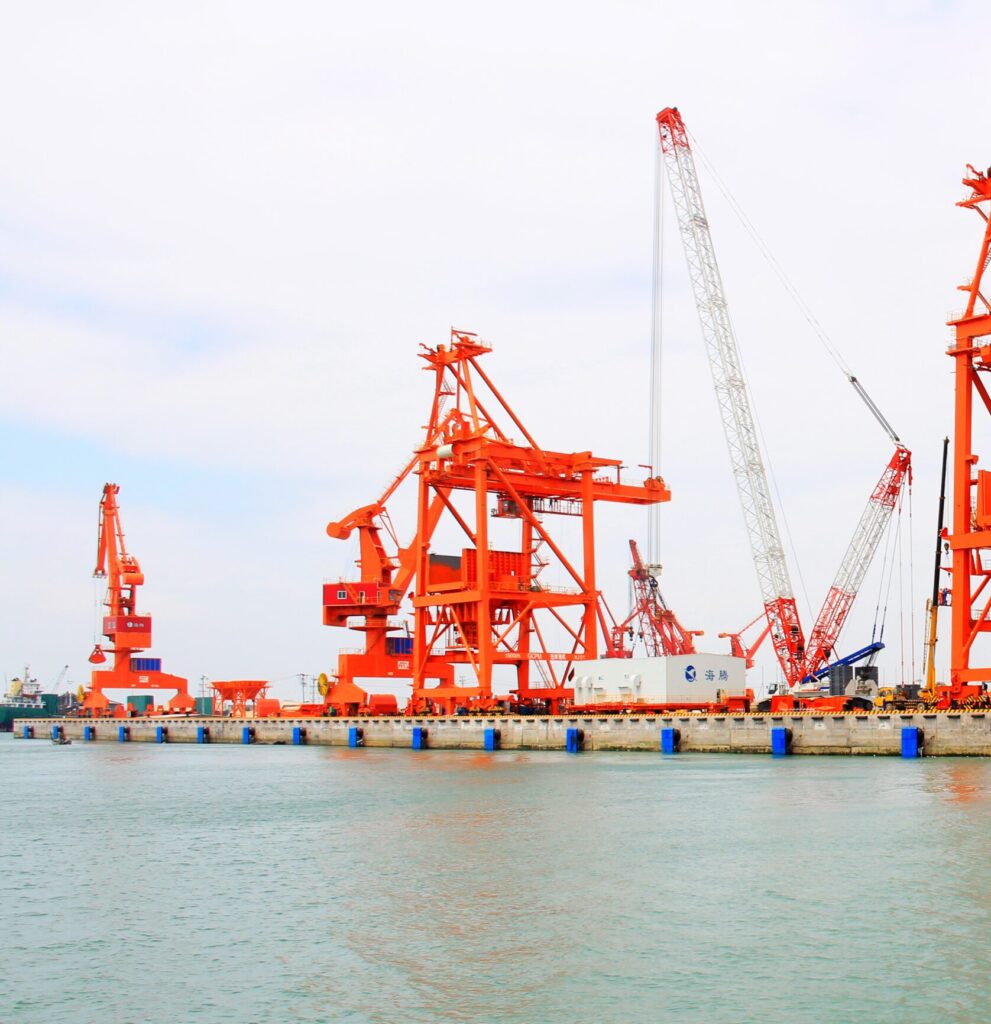
During the quay expansion in Jiaozhou Bay, SME fully supported clients by delivering high-quality dock fender systems and ship bollards. These solutions were customized to meet their unique requirements. Our marine bollards and fender systems ensure safety, durability, and efficiency throughout the construction process. Moreover, we focused on meeting the project’s September 2024 completion target. […]
SME Wins Another Major Rubber Fenders and Mooring Bollards Project in Indonesia (One Belt, One Road Initiative)
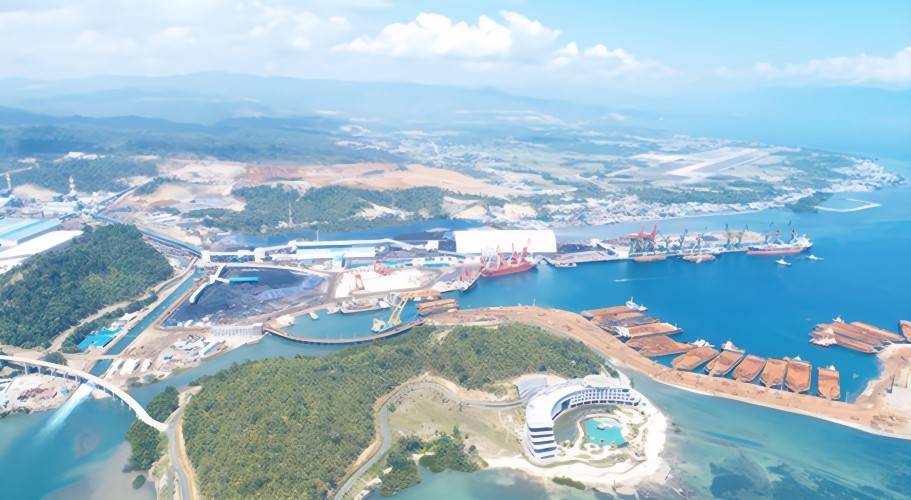
SME has secured a contract for a 100,000-tonne raw ore terminal in Sulawesi Province, Indonesia. This project involves the supply and installation of critical infrastructure, including 28 cell marine fender systems and 28 150-ton mooring bollards. This achievement marks another milestone in SME’s continued expansion in Indonesia’s port and terminal cluster. The region already hosts […]