Tugboat Fenders
SME Marine Tugboat Fenders are designed to protect tugboats during pushing, towing, berthing, and close-contact operations. W Fenders, M Fenders, and other tugboat fender types provide flexible protection for the bow, stern, and side hull, with durable rubber construction for repeated impact and abrasion.
Send Enquiry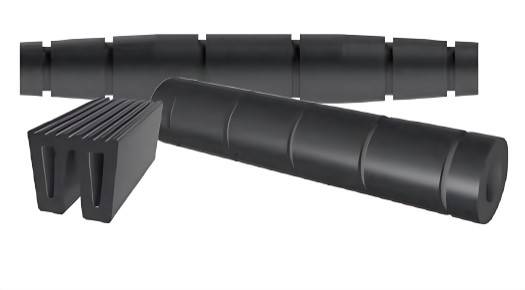
Choosing the Right Fender for Tugboats
Tugboat fender arrangements depend on hull shape, operating position, and contact conditions. Different rubber profiles provide protection for pushing, towing, escorting, and coming alongside.

Cylindrical Fenders
Commonly fitted to the bow and stern, cylindrical fenders protect tugboats when pushing against flared hulls or other vessel surfaces.
Pushing Fenders
W, M, Keyhole, and Square Fenders provide larger contact areas. Their profiles help distribute loads and maintain grip during pushing operations.
Side Beltings
D Fenders, Square Fenders, and Composite Fenders protect the hull during escort operations and when tugboats come alongside other vessels.
Stern Protection
Cylindrical fenders and other suitable rubber profiles can protect the stern, depending on hull design and the required contact arrangement.

Protection for Different Tugboat Operations
Tugboats experience repeated contact during pushing, towing, escorting, and berthing. Fender systems help absorb impact energy and protect the hull during these demanding operations.
The bow and stern often require cylindrical or specially shaped fenders for direct pushing contact. Meanwhile, side-mounted profiles provide protection when tugboats work alongside ships, barges, and other marine structures.
SME Marine supplies different rubber fender configurations to suit vessel layouts and project requirements. The appropriate profile and arrangement depend on the tugboat's hull shape, contact area, and operating conditions.
Rubber Fender Solutions for Tugboats
Different fender profiles serve different positions on a tugboat. The following options address common requirements for bow, stern, and side-hull protection.
Cylindrical Fenders
When tugboats push against flared or flat-sided vessels, Cylindrical Fenders protect the bow or stern from direct impact. The hollow, dual-leg structure flexes around the hull and provides stable contact with less pressure.
For installation, chains or straps secure the fender to the hull, while tapered ends can improve contact when required.
Explore Cylindrical Rubber Fenders →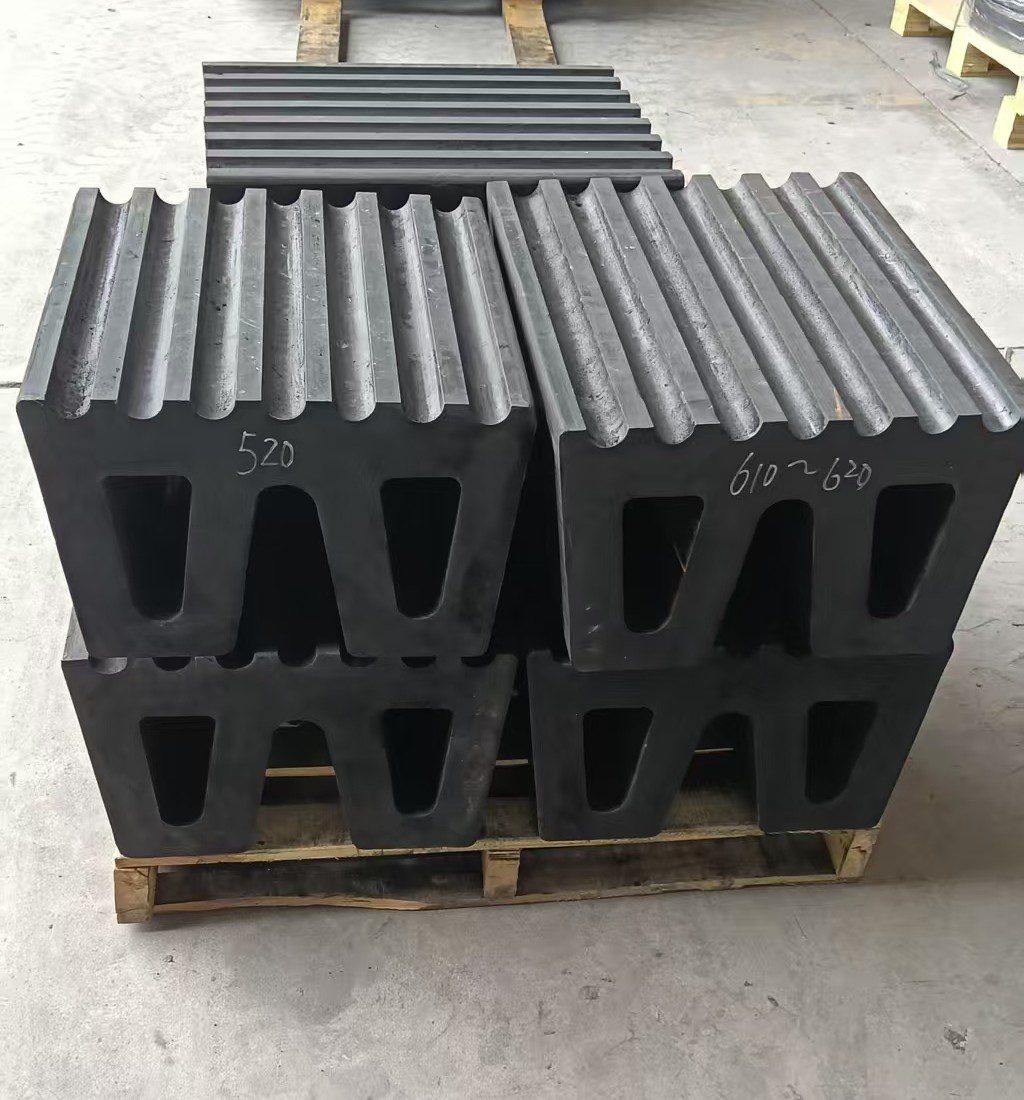
W Fenders
W Fenders provide a large contact area and a grooved profile that helps maintain grip during pushing operations. Their shape distributes heavy contact loads across the fender surface, helping reduce pressure on the tugboat hull.
The flexible rubber profile maintains stable contact during repeated pushing. In addition to tugboat applications, W Fenders can also protect pontoons, bridge piles, and other marine structures.
M Fenders
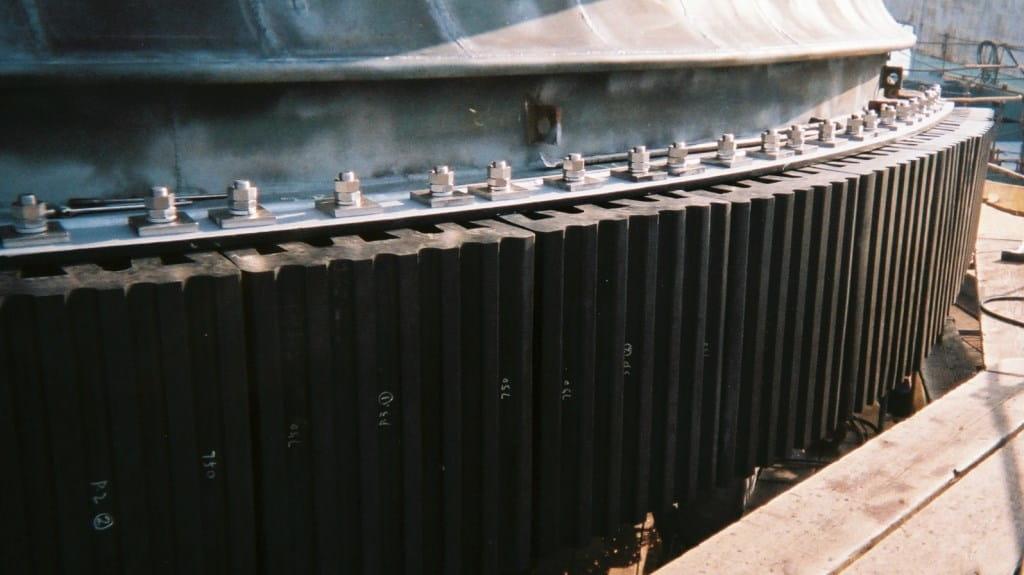
M Fenders feature three flexible legs that attach securely to the tugboat hull and distribute contact loads. This configuration helps reduce localized hull pressure and impact stress during pushing operations.
Their flexible profile helps maintain close contact even when the contact angle changes. As a result, M Fenders are suitable for demanding tugboat operations that require dependable hull protection.
Matching Fender Types to Operating Positions
Fender selection should consider the contact position, vessel geometry, and expected operating conditions.
| Fender Type | Typical Position | Main Application |
|---|---|---|
| Cylindrical Fenders | Bow and stern | Direct pushing contact against vessel hulls |
| W Fenders | Bow and pushing areas | Large contact area and grip during pushing |
| M Fenders | Bow and pushing areas | Flexible contact and load distribution |
| D, Square and Composite Fenders | Side hull | Escort operations and coming alongside |
Quality Control from Material Selection to Final Inspection
SME Marine applies strict quality control throughout production, from rubber material selection to final inspection. Tugboat Fenders can be supplied with BV inspection and certification according to project requirements.
Learn more about Bureau Veritas (BV) marine and offshore inspection services.
Need the Right Fender Solution for Your Tugboat?
Contact our team to discuss your vessel dimensions, operating conditions, and tugboat fender requirements.
Send Your Enquiry