Cleat Bollards
Durable Dock Bollards for Mooring Applications
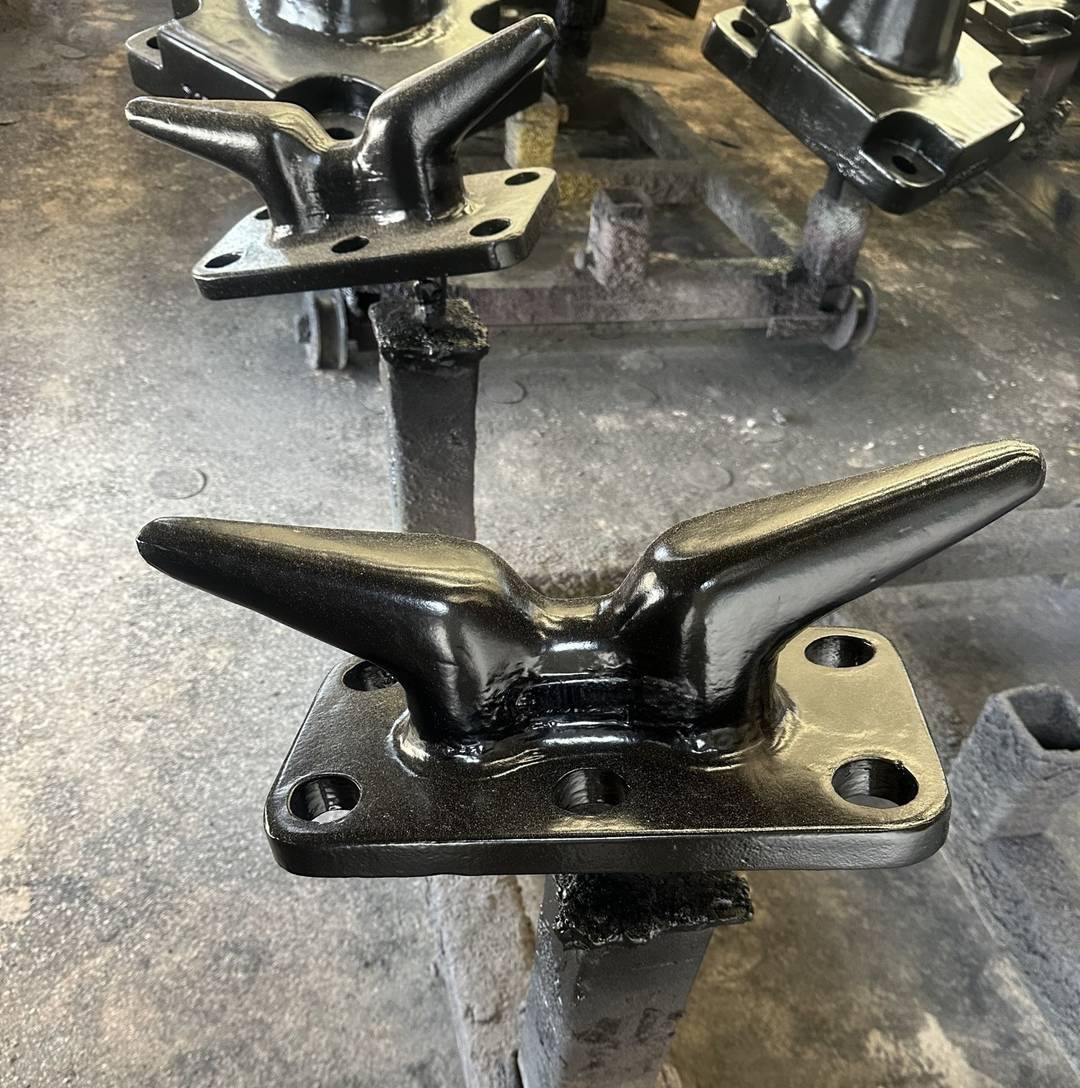
Mooring cleat bollards are used to secure vessels at docks, marinas and jetties. SME Marine supplies cleat bollards for waterfront facilities, with material options and configurations to suit different mooring requirements.
Available in cast steel and stainless steel, these bollards can be selected for small wharves, marinas and medium-duty commercial port applications, subject to project requirements.
Inquire Now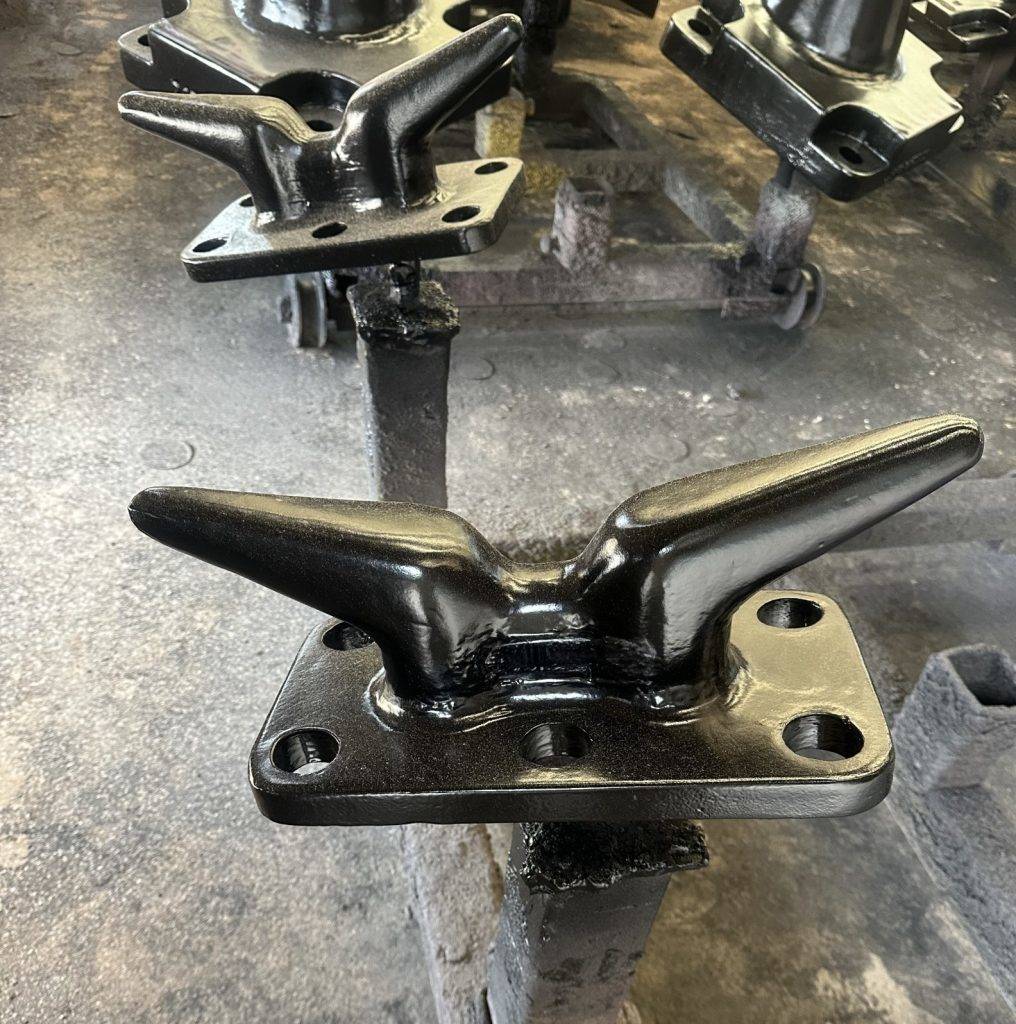
Materials and Manufacturing
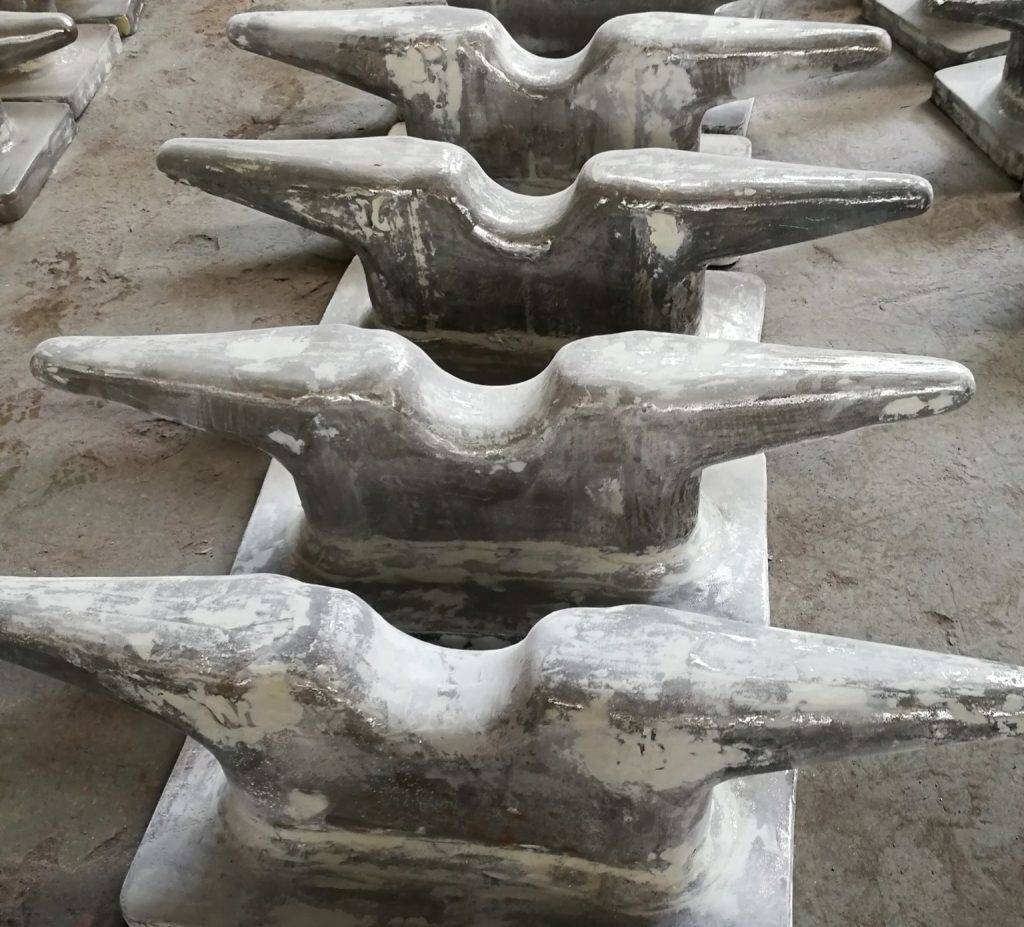
SME Marine cleat bollards are available in cast steel or stainless steel grades 304 and 316. Material selection depends on the installation environment, corrosion exposure and project requirements.
- Cast steel: offers high strength and impact resistance for demanding mooring applications.
- Stainless steel 304: provides corrosion resistance and a clean finish for suitable waterfront environments.
- Stainless steel 316: offers enhanced resistance to chloride-related corrosion and is often considered for marine environments.
- Polished finish: can improve surface appearance and ease of cleaning, depending on the selected material and finish specification.
Cleat Bollard Specifications
Cleat bollards are available in a range of nominal load capacities and dimensions. The final selection should be confirmed against the project drawings, rope arrangement and required working load.
Available Tonnage Capacities
Nominal capacity optionsAvailable Dimensions
Dimension optionsWhere Are Cleat Bollards Used?
Cleat bollards can be selected for a variety of waterfront facilities, depending on vessel size, mooring loads and installation conditions.
Marinas and Yacht Docks
Suitable for designated mooring points at marinas and yacht facilities, subject to the required load capacity and installation arrangement.
Small Wharves and Jetties
Can be specified for small wharves and jetties where the selected bollard matches the required mooring loads and rope angles.
Commercial Port Facilities
Available for selected medium-duty port applications after checking vessel requirements, working loads and structural fixing details.
Dock Bollard Installation Guide
Proper dock bollard installation supports safe mooring and long-term performance. Therefore, it is important to follow the approved drawings, foundation requirements, and anchor manufacturer's instructions.
How to Install Dock Bollards?
Installation Methods for Dock Bollards
First, identify the correct installation method for the selected dock bollards. Depending on the design and foundation, the system may use surface-mounted anchors, recessed fixing arrangements, or pre-embedded components. Each method requires suitable preparation and accurate positioning.
Next, check the foundation dimensions and anchor layout against the approved drawings. For chemical anchors, follow the adhesive manufacturer's instructions carefully. Finally, inspect the completed installation and confirm that all curing and fixing requirements have been met before applying mooring loads.
Step 1: How to Mark the Anchor Positions?
Accurate Positioning Before Installation
First, clean the installation area and position the anchor template according to the approved drawings. Then, mark each anchor location and measure the distance from the jetty edge.
In addition, check the spacing and alignment before drilling. This step helps ensure that the dock bollards fit the foundation correctly. As a result, accurate marking reduces the risk of anchor misalignment during installation.
Step 2: How to Drill the Anchor Holes?
Drilling According to Project Specifications
Next, drill the anchor holes to the specified diameter and depth using equipment suitable for the foundation material. Meanwhile, maintain the required drill alignment and follow the selected anchoring system's installation requirements.
For pre-embedded dock bollards, drilling may not be necessary. Instead, position the embedded components according to the foundation drawings before concrete placement. In either case, verify the anchor positions before proceeding to the next step.
Step 3: How to Clean the Anchor Holes?
Preparing Holes for Secure Anchoring
After drilling, remove dust and debris using the cleaning procedure specified by the anchor adhesive manufacturer. For example, the approved procedure may require brushing and blowing the holes in a particular sequence.
Proper cleaning is essential because residual dust can reduce the bonding performance of chemical anchors. Therefore, complete all specified cleaning steps before injecting adhesive. This preparation helps achieve the required anchoring performance.
Step 4: How to Apply Anchor Adhesive?
Applying Chemical Anchoring Adhesive
For chemical anchors, first select an adhesive suitable for the anchor material and concrete conditions. Then, inject the adhesive from the bottom of the hole while gradually withdrawing the nozzle. This method helps minimize trapped air.
In addition, follow the manufacturer's requirements for injection volume, temperature, and application procedures. Since different products have different curing requirements, check the technical instructions before installing or loading the dock bollards.
Step 5: How to Set Anchors and Allow Curing?
Anchor Alignment and Curing Time
Next, insert each anchor to the specified embedment depth and maintain the required alignment. For chemical anchors, follow the manufacturer's instructions for insertion and curing. For other fixing systems, use the approved installation procedure.
Meanwhile, protect the anchors from movement or disturbance during curing. Finally, wait until the adhesive or grout has reached the required curing condition before installing or loading the dock bollards.
What Should Be Checked After Dock Bollard Installation?
Final Inspection and Safety Checks
Finally, inspect the installed dock bollards against the approved drawings and project specifications. Check the anchor embedment, bolt tightening, foundation condition, alignment, and installation dimensions.
In addition, confirm that the anchoring system and supporting structure meet the specified requirements. If any defects or deviations are found, resolve them before commissioning. As a result, a thorough inspection helps reduce installation risks and supports safe, reliable mooring operations.
Looking for Cleat Bollards for Your Project?
Contact SME Marine with your required capacity, dimensions, material and project details to discuss a suitable solution.
Request a Quote