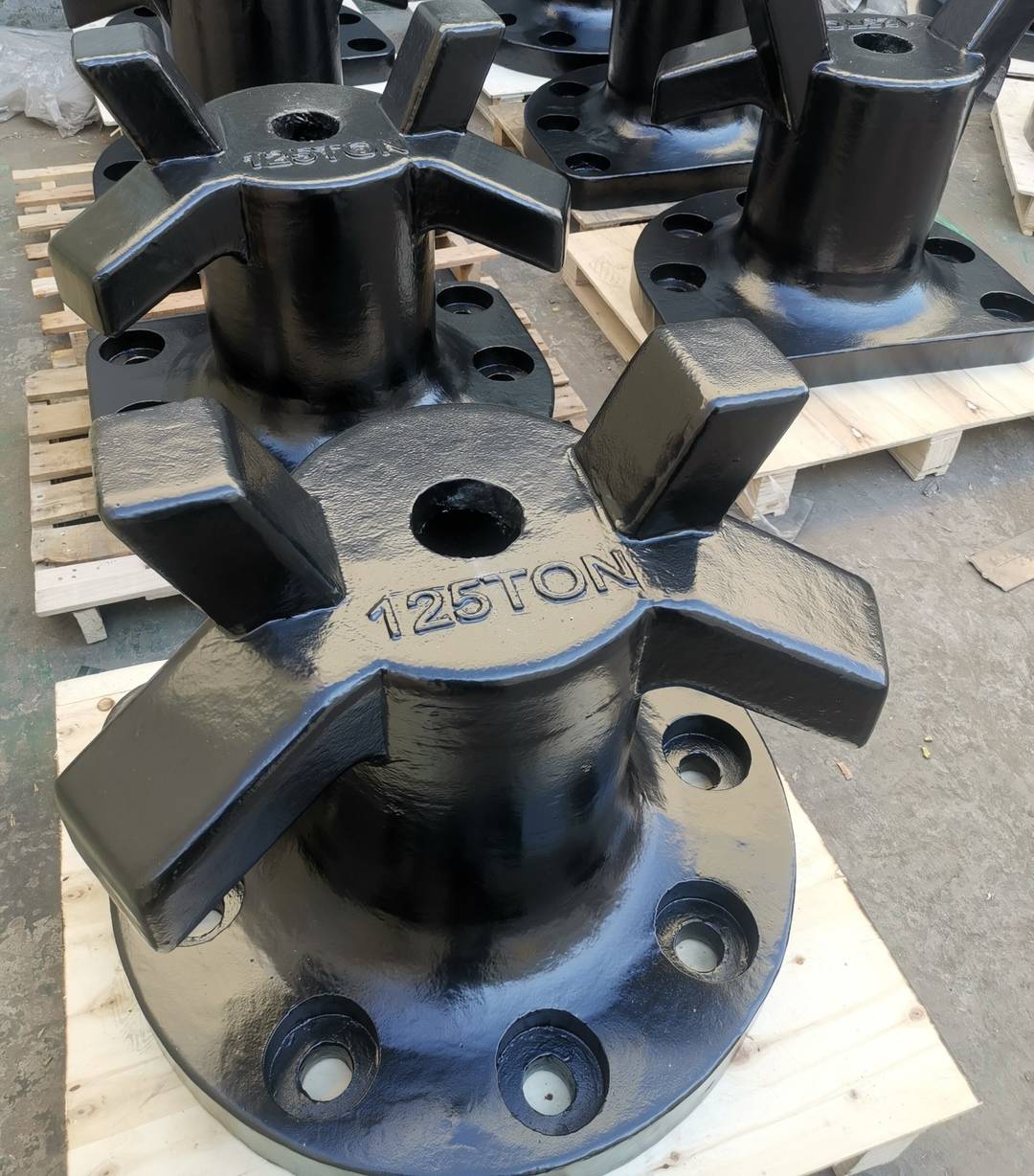
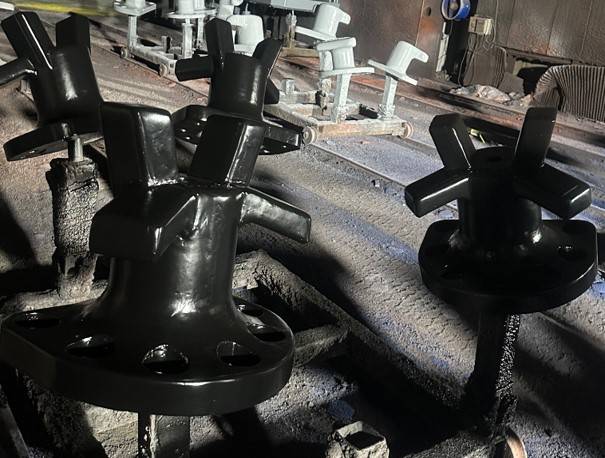
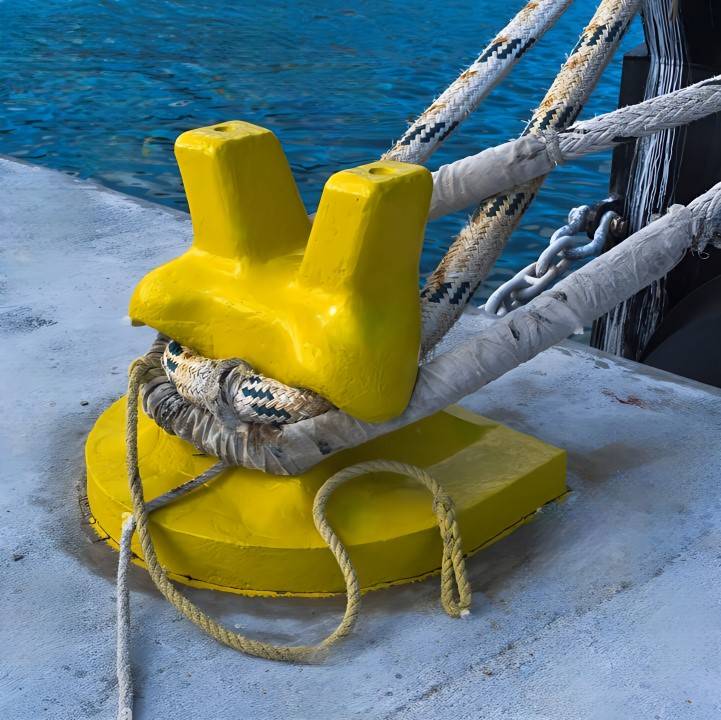
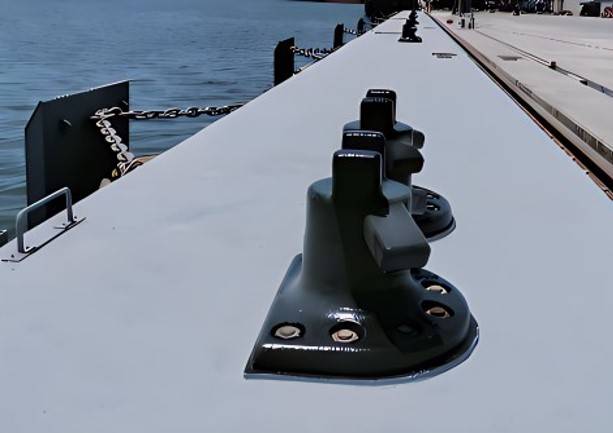
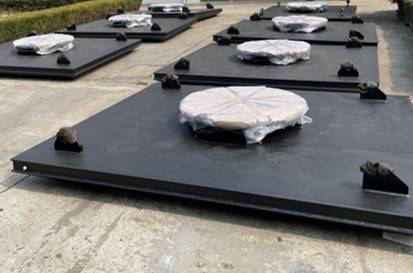
Unique Design: Staghorn type ship Bollards feature a unique design that allows for easy handling of multiple mooring lines, preventing interference, and is particularly suitable for large-angle mooring.
Durable Materials: Crafted from high-quality ductile iron or cast steel, they are corrosion-resistant and can withstand the harsh marine environment.
High Load Capacity: Offering a wide range of load capacities from 10 tons to 200 tons, catering to various mooring needs.
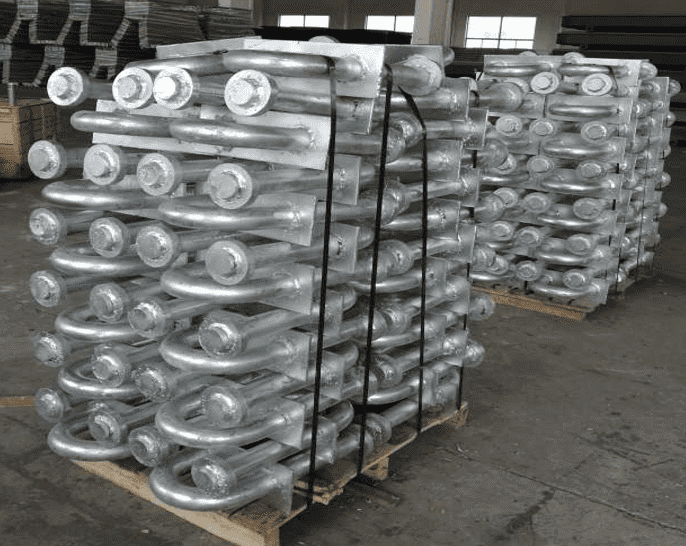
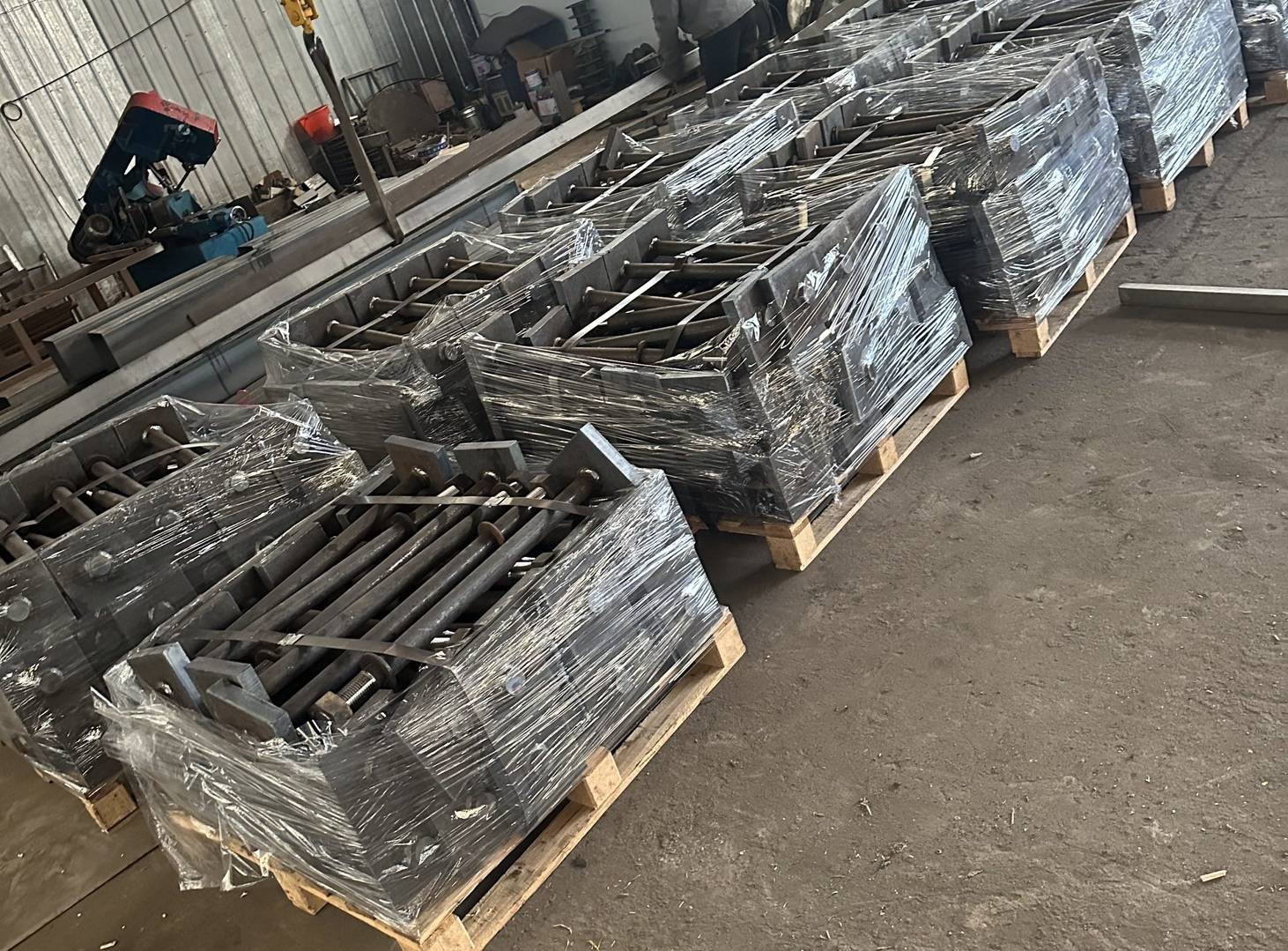
Easy Installation and Maintenance: Equipped with installation accessories for quick setup and designed for low maintenance costs.
Description
Mooring Bollards – Staghorn Bollards for Ports
SME’s Staghorn bollards are high-strength dock bollards designed for safe and reliable vessel mooring at ports and terminals. Each mooring bollard combines durable materials, precision manufacturing, and expert craftsmanship to ensure long-term performance and dependable operation.
Each Staghorn marine bollard undergoes strict quality control to ensure safety and long service life.
For additional protection, marine fenders can be used to complement Staghorn bollards in mooring operations.
Installation and Guidance
SME provides on-site installation services in certain countries.
Remote guidance is also available to ensure mooring bollards are safely and correctly installed, following PIANC international port engineering standards.
Painting and Customization
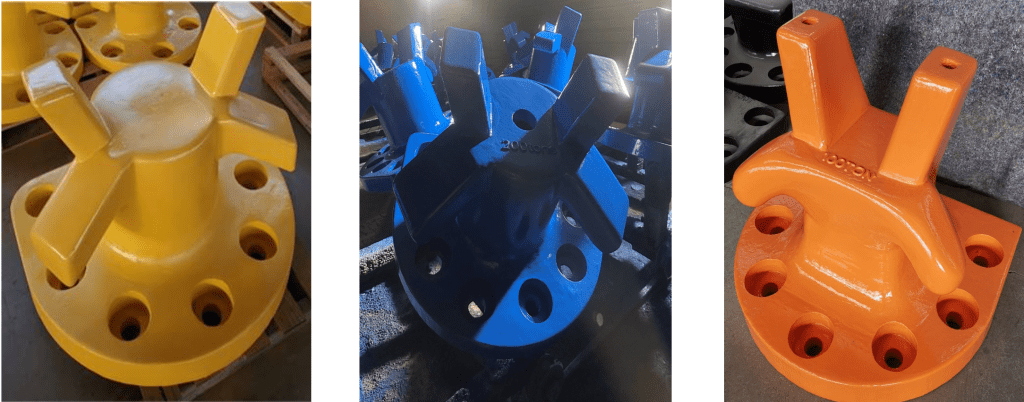
SMEoffers personalized solutions for color, corrosion protection, and custom sizes, shapes, and performance.
Each Staghorn bollard is engineered to meet the specific requirements of each port while maintaining full functionality.
Compatibility with Existing Systems
Bollard systems from different manufacturers may vary slightly in design.
SME ensures that new Staghorn bollards fit seamlessly with existing systems, adjusting size, shape, and mounting as needed.
Proven in practice
What Are Mooring Bollards?
Q1: What is a mooring bollard?
A mooring bollard, also known as a dock bollard or marine bollard, is a strong, fixed post installed on piers, docks, or vessels to secure ropes from ships. By providing reliable points for tying vessels, it prevents drifting, hull damage, and accidents during berthing. Common designs include Staghorn bollards and T-Head bollards, which suit different vessel sizes and port conditions.
Q2: Why are bollards important?
Mooring bollards play a critical role in protecting both vessels and port structures. For instance, they evenly distribute mooring forces, reduce hull damage, and minimize stress on docks and terminals. Moreover, high-quality marine bollards ensure safe and efficient docking operations, even under varying loads and challenging environmental conditions.
Q3: What types of ship bollards are available?
Several types of marine bollards meet different operational needs. For example, Staghorn bollards excel in flexible rope handling and high-strength applications. Meanwhile, T-Head bollards feature a wide head that distributes mooring forces evenly and enhances vessel stability. In addition, specialized bollards exist for offshore platforms, terminals, or high-traffic ports.
Q4: How do I choose the right bollard systems?
Selecting the proper mooring bollard depends on multiple factors, including vessel size, berthing forces, dock layout, and environmental conditions such as saltwater exposure or corrosion. By considering material, load capacity, and marine hardware standards, you can ensure the bollard performs reliably. Consulting experts can also help you match the right type to your specific port or terminal needs.
Q5: How are mooring bollards installed and maintained?
Dock bollards should be mounted securely on a solid foundation, following engineering standards like PIANC. Regular inspections for corrosion, cracks, or loose anchors are essential. SME provides guidance and on-site support to ensure that Staghorn and T-Head bollards are installed correctly and remain fully operational over time.
Looking for other mooring bollards? Explore our T-Head bollards →for versatile and high-strength marine mooring solutions.